with the rapid development of information technology, cloud computing has become an indispensable tool for enterprises and individual users. especially in malaysia, the application of cloud servers is growing. this article will deeply explore the multiple advantages of malaysian cloud servers and their wide range of application scenarios, providing an effective reference for users who need cloud services.
one of the biggest advantages of cloud servers in malaysia is its flexibility. users can adjust resource configuration at any time according to actual needs, including computing power, storage space, bandwidth, etc. this pay-as-you-go model makes enterprises more efficient in resource management and avoids unnecessary waste. in addition, the elastic expansion capabilities of cloud servers can help enterprises respond quickly during peak demand periods and ensure business continuity.
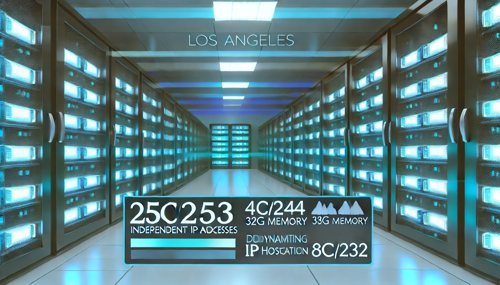
in the data-driven era, data storage and management are particularly important. malaysia cloud server provides a safe and reliable data storage solution. users can store data in the cloud and access it anytime and anywhere. the backup and recovery functions of the cloud server ensure the security and integrity of data and reduce the risk of data loss. in addition, cloud platforms are often equipped with advanced data management tools to help users process and analyze data more efficiently.
security is one of the important considerations in cloud computing. malaysian cloud servers provide multiple levels of security protection, including firewalls, intrusion detection systems and data encryption to ensure that user data is not threatened. at the same time, many cloud service providers follow international security standards and compliance requirements to provide enterprises with higher security. this is particularly important for companies that handle sensitive information and can help them meet legal and regulatory requirements.
another significant advantage of cloud servers in malaysia is its cost-effectiveness. compared with traditional physical servers, cloud servers can significantly reduce hardware investment and maintenance costs. users only pay for the resources they use and do not need to worry about additional costs for hardware upgrades and maintenance. in addition, the shared resource model of cloud services allows users to allocate budgets more flexibly, thereby improving the efficiency of fund use.
malaysian cloud servers support a variety of application scenarios, including website hosting, e-commerce, mobile application development, big data processing and artificial intelligence, etc. enterprises can choose the most suitable cloud service solution based on their own needs. for example, in the field of e-commerce, cloud servers can provide high availability and fast response to ensure users have a good experience during the shopping process. in the field of big data analysis, cloud servers provide powerful computing capabilities to help companies extract valuable insights from massive amounts of data.
with the continuous advancement of technology, the adaptability of malaysian cloud servers is also constantly improving. the evolution of cloud computing technologies, such as edge computing, serverless architecture, etc., is providing enterprises with more choices and flexibility. in addition, the malaysian government actively promotes digital transformation and the application of cloud computing, further promoting the development of the cloud service market and helping enterprises seize the opportunities of the digital economy.
when choosing a malaysian cloud server, users should consider multiple factors, including the service provider's reputation, technical support, service level and security. it is recommended that users conduct sufficient market research to understand the characteristics and advantages of different service providers before making a choice. at the same time, understand the terms of service and contract content to ensure that your own rights and interests are protected.
overall, malaysian cloud servers are becoming the first choice for more and more enterprises and individual users due to their flexibility, efficiency, security and cost-effectiveness. whether in data storage, business operations, or technological innovation, cloud servers have demonstrated their strong application potential. it is recommended that users combine their own needs and long-term development plans to rationally choose cloud services and make full use of the multiple advantages brought by cloud computing to achieve more efficient business operations and better user experience.
- Latest articles
- Technical Staff Analyzed Packet Loss And Routing Switching Phenomena When Zaozhuang Visited Hong Kong CN2 Slowly
- Purchase Channel Analysis: Assess Whether The US Private VPS 120 Information Network Is Trustworthy
- Long-term Stability Research: How Is Japanese CN2? How To Choose The Right Supplier
- Types And Selection Recommendations For Native Japanese IP Routes Safeguard Cross-border Business
- Field Test Report And Latency Analysis Of Performance Differences Between Vietnam's CN2 VPS And Standard Lines
- Price Transparency Comparison Platform Inventory Helps You Find The Real Prices Of US Class A Servers
- A List Of Network And Latency Metrics You Must Confirm Before Purchasing A Genshin Impact Taiwan Server Cloud Host
- How To Set Up A VPS On TikTok Singapore Video Upload And Automate Script Deployment Guide
- The Value Of Vietnamese Native Residential IPs In Localization Testing And Real User Behavior Simulation
- On Which Server Are Japanese Players On? Choose The Game Zone That Best Suits Your Time Zone And Gameplay
- Popular tags
-
Analysis Of The Main Reasons Affecting Malaysia’s High Vps Latency
this article analyzes the main reasons for high vps latency in malaysia and helps users optimize vps performance and improve network experience. -

Steps To Do When Upgrading And Renewing A Plan In Parallel How To Renew With Malaysia VPS Does Not Affect Your Business
This article explains how to take steps when upgrading and renewing plans in parallel in Malaysia to ensure uninterrupted VPS services. Covers backup, parallel policies, control panel/API operations, traffic handover, and rollback key points. -

Vps Malaysia Tk: Choices For Different Business Needs
vps malaysia tk provides flexible virtual private server solutions for different business needs to help enterprises operate efficiently.